

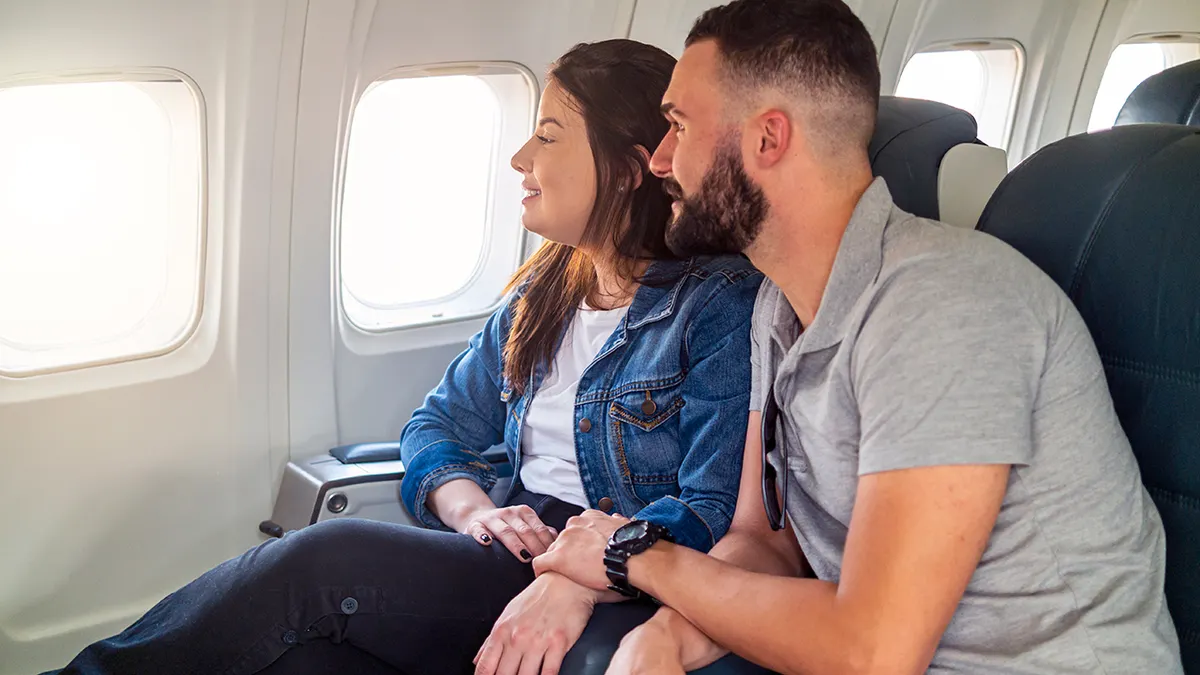
Few environments test the limits of human patience quite like a commercial airliner. Between navigating packed security lines, wrestling carry-on bags into overflowing overhead bins, and squeezing into increasingly tight cabins, personal space is already compromised before the plane even pushes back from the gate. Step into that cramped environment, reach your assigned row, and discover someone sitting in your seat or hovering nearby with a boarding pass and an expectant smile, and the tension spikes immediately.
The request sounds innocent enough on the surface: “Would you mind switching seats with me so I can sit next to my travel companion?” Yet behind that simple question lies a complex web of modern air travel dynamics. A generation ago, switching seats was an occasional, low-stakes favor among travelers. Today, every square inch of an aircraft cabin has been commodified, monetized, and micro-targeted. Passengers pay hard-earned money for specific aisle access, extra legroom, or forward placement, turning an impromptu seat swap from a harmless courtesy into a high-friction social transaction. Navigating this scenario with poise requires understanding the unwritten rules of cabin etiquette, whether you are the one asking or the one being asked.
The Golden Rule of Cabin Trades: Equal or Better Value
The foundational principle of seat swapping is straightforward: never ask another traveler to accept a worse seat than the one they booked.
A swap is a negotiation, and in any polite negotiation, you must offer fair compensation for the inconvenience you are causing. If you hold a ticket for a middle seat in row thirty-one, asking someone in row twelve to surrender an aisle seat is not a request; it is an imposition. It places the burden of your poor planning or bad luck squarely on a stranger who planned ahead or paid a premium.
A true lateral trade involves identical seat categories in similar parts of the aircraft. Trading an aisle for an aisle, a window for a window, or moving forward a few rows constitutes a reasonable exchange. Asking anyone to trade a window or an aisle for a middle seat is universally considered bad form, regardless of your reasons.
If you are forced to initiate a swap, the only polite approach is to offer a clear upgrade. Surrendering an extra-legroom aisle seat near the front of the main cabin in exchange for a standard window seat farther back is an offer most travelers will entertain with genuine gratitude. If your only trade chip is an inferior seat, the polite move is to keep your boarding pass in your pocket and accept your assigned location.
When It Is Reasonable to Ask and When It Is Not
Not every request carries the same moral weight. Context matters, and distinguishing between legitimate hardship and basic entitlement is essential.
Legitimate Scenarios
Emergencies and family logistics naturally take precedence. The most universally understood exception involves parents separated from young children. If an airline schedule change, canceled connection, or equipment swap scatters a family across different rows, asking to swap so a toddler or elementary-age child is not seated alone next to strangers is entirely reasonable. Even in these moments, however, the request should ideally be routed through airline personnel before boarding.
Similar grace extends to travelers with acute physical needs, sudden mobility impairments, or individuals assisting someone with a severe medical condition. If moving seats facilitates caregiving or eases genuine distress, most passengers are willing to accommodate the shift.
Unacceptable Scenarios
On the other side of the ledger are situations driven entirely by preference, convenience, or frugality. Booking basic economy tickets to save money—knowing full well that basic fares do not include advance seat selection—and then expecting fellow passengers to subsidize that discount by giving up their paid seats is fundamentally unfair.
Similarly, adult friends, couples on vacation, or colleagues traveling to the same conference do not constitute an urgent case. Being separated from your partner for a three-hour domestic flight is a minor inconvenience, not a crisis. Demanding or expecting a stranger to disrupt their comfort so two adults can chat or share snacks crosses the line from a polite favor into presumptuous entitlement.
The Psychology of the Ask: Timing and Demeanor
How you make a request is just as important as what you are asking for. A poorly timed or presumptuous approach almost guarantees a swift refusal and poisons the cabin atmosphere.
The single biggest etiquette violation in modern flying is the presumptive squat. This occurs when a passenger sits down in someone else’s assigned seat before that person boards, buckling their seatbelt and settling in as if the seat were already theirs. When the rightful ticket holder arrives, the squatter looks up and says, “Oh, do you mind taking my seat back in row twenty-six so my partner and I can sit together?”
This tactic is intentionally manipulative. It forces the ticket holder into an awkward, public confrontation in the middle of a crowded boarding aisle, banking on social pressure to force compliance. Always sit in your assigned seat first. Wait until the passenger arrives, let them place their carry-on bags in the overhead bin, and allow them to catch their breath. Only then should you introduce yourself, explain the situation succinctly, and present your boarding pass showing your actual seat assignment.
Make the proposition effortless to decline. Frame your request with an explicit, gracious exit ramp: “I completely understand if you prefer to keep your seat, but I am in 14C and wanted to ask if you would consider swapping so my daughter and I can sit together. If not, absolutely no worries at all.” This phrasing removes social coercion, acknowledges the other person’s rightful ownership of their space, and prevents defensive reactions.
How to Say No Without Guilt
If you are on the receiving end of an unwanted seat-swap request, remember one essential truth: you are under no obligation to surrender your assigned seat.
Passengers often spend significant time selecting their seats weeks in advance. You may have chosen an aisle seat because you manage chronic back pain, need regular access to the restroom, or have a tight connection that requires a fast exit. You may have selected a window to manage flight anxiety or rest without being bumped by drink carts. Alternatively, you may have simply paid a forty-dollar seat-selection fee. You do not owe anyone an explanation or a justification for holding onto what you reserved.
When turning down a request, keep your response polite, concise, and definitive:
-
“I am sorry, but I specifically booked this seat and need to keep it.”
-
“I understand why you are asking, but I am going to stay in my assigned seat today.”
Avoid offering elaborate excuses or inventing fictional ailments. Lengthy justifications invite the other person to problem-solve your situation or debate your reasoning. A calm, direct, and pleasant refusal leaves no room for negotiation while keeping the interaction professional. If the person pushes back, becomes passive-aggressive, or refuses to vacate your seat, step back into the aisle and discreetly signal a flight attendant. Resolving seating disputes is part of their operational training; you should never engage in an argument inside the cabin.
The Operational Reality: Cabin Crew and Safety
Passengers often treat seating arrangements as a casual game of musical chairs, but airline operations view the cabin differently. While flight attendants will do their best to help families sit together, dragging them into casual seating debates during the boarding process creates systemic delays.
Boarding is the most time-sensitive phase of any flight. Flight attendants are managing overhead bin space, verifying passenger counts, monitoring safety compliance, and coordinating with the gate for on-time pushback. When travelers block the aisle debating seat swaps, boarding stalls, leading to missed departure slots and cascading delays down the line.
Furthermore, seat assignments occasionally carry operational and regulatory significance. On smaller regional aircraft, passenger placement directly affects weight and balance calculations required for safe takeoff and landing. In premium cabins or long-haul flights, meals, special assistance requests, and passenger manifests are tied directly to seat numbers. Unannounced swaps can disrupt service protocols or complicate emergency manifests. If you need a seat reassignment, handle it at the gate counter before boarding begins whenever possible. Gate agents have full visibility into the seat map and can make official changes within the system.
The True Culprit: The Unbundling of Airfare
To understand why seat swapping has become such a contentious cultural flashpoint, one must look at how the airline industry has evolved. Decades ago, purchasing an airline ticket guaranteed a complete travel experience: a checked bag, an onboard meal, and a seat assignment.
Today, legacy and budget carriers alike operate on an unbundled pricing model. Basic fares strip away every ancillary benefit, turning seat selection into an à la carte revenue engine. Airlines charge incremental fees for aisle seats, forward rows, exit rows, and window seats, making standard main cabin inventory scarce and expensive.
This commercial architecture deliberately manufactures scarcity and anxiety, effectively pitting passengers against one another. When an airline separates a mother from her child or charges sixty dollars for two spouses to sit next to each other on a four-hour flight, it creates an uncomfortable interpersonal problem that travelers are left to resolve in row twenty-two.
Recognizing this operational reality fosters empathy for people caught in difficult seating binds. At the same time, it clarifies passenger boundaries: another traveler’s unwillingness or inability to pay an airline’s seat-selection fee does not obligate you to forfeit the comfort you deliberately secured.
Maintaining courtesy in the skies comes down to mutual respect. If you find yourself needing to ask for a seat change, ensure your offer represents an upgrade, approach the interaction with humility, and accept a refusal with immediate grace. If you are asked to move, evaluate the trade fairly, feel free to help someone in genuine need, and never feel guilty about politely protecting the seat you carefully chose.
